

Tea tree oil is a popular essential oil that is widely used for its antibacterial and antifungal properties. It is commonly used in foot soaks to help soothe and heal various foot problems such as dry, cracked, and smelly feet. However, many people are unsure about how often they should soak their feet in tea tree oil to get the best results.
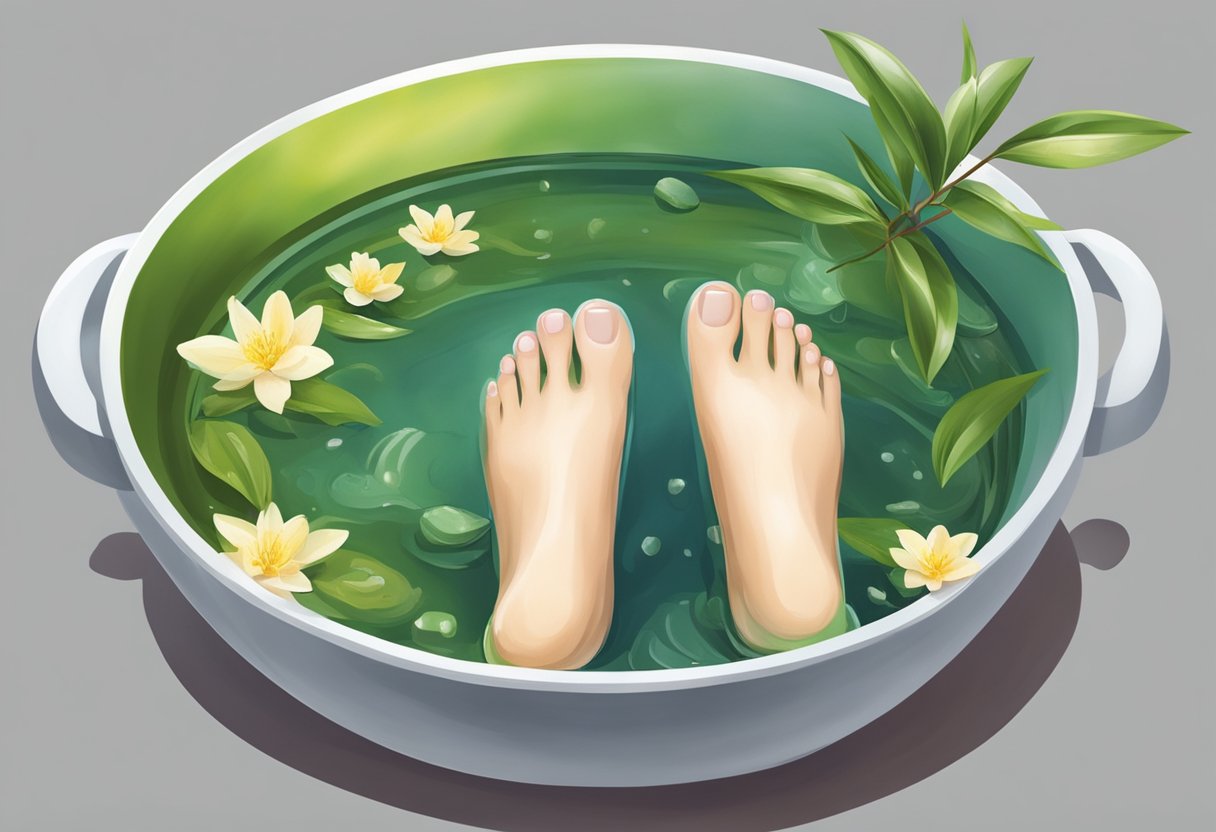
The frequency of tea tree oil foot soaks depends on the individual’s foot condition and the severity of the problem. For instance, if you have dry and cracked feet, you can use a tea tree oil foot soak once or twice a week to keep your feet healthy and happy. Regular foot soaks can help moisturize and soften the skin, reducing dryness and promoting healing. On the other hand, if you have a foot infection such as athlete’s foot, you may need to soak your feet in tea tree oil more frequently to help fight the infection.
It is important to note that tea tree oil is a potent essential oil and should be used with caution. It is recommended to dilute tea tree oil with a carrier oil such as coconut oil before using it in a foot soak. Additionally, if you experience any adverse reactions such as itching, redness, or swelling, discontinue use immediately and seek medical attention.
Benefits of Tea Tree Oil Soaks

Tea tree oil has been used for centuries for its medicinal properties. When used in foot soaks, it provides several benefits that promote foot health. Here are some of the benefits of tea tree oil soaks:
1. Fights Bacteria and Fungal Infections
Tea tree oil has antifungal and antibacterial properties that can help fight off infections caused by bacteria and fungi. Soaking your feet in tea tree oil can help to eliminate odor-causing bacteria hidden in nails, which can lead to a reduction in stubborn foot odor. It can also help to prevent or treat fungal infections such as athlete’s foot.
2. Relieves Soreness and Fatigue
Soaking your feet in warm water can help relieve soreness and fatigue after a long day. Adding tea tree oil to your foot soak can enhance this effect since it has anti-inflammatory properties that can help to reduce swelling and inflammation.
3. Soothes Dry and Cracked Skin
Tea tree oil can help to moisturize and soothe dry and cracked skin on your feet. It can also help to prevent calluses and corns from forming.
4. Enhances Nail Health
Tea tree oil can help to strengthen and protect your nails. It can also help to prevent nail fungus from developing.
5. Aromatherapy for Relaxation
Tea tree oil has a pleasant and refreshing scent that can help to promote relaxation and reduce stress. Adding tea tree oil to your foot soak can provide a soothing aromatherapy experience.
Overall, soaking your feet in tea tree oil can provide several benefits that promote foot health. It is recommended to soak your feet in tea tree oil once a week or as needed. However, if you have sensitive skin or are allergic to tea tree oil, it is best to consult with a healthcare professional before using it.
Recommended Frequency for Tea Tree Oil Foot Soaks

Tea tree oil foot soaks are a great way to keep your feet healthy and happy. However, it’s important to know how often you should use them to get the best results. Here are some general guidelines to follow:
General Guidelines
You can use tea tree oil foot soaks once or twice a week to keep your feet healthy. This frequency is enough to prevent fungal infections, reduce inflammation, and eliminate foot odor. However, if you have a specific foot problem like athlete’s foot or toenail fungus, you may need to use the foot soak more frequently.
It’s important to note that tea tree oil foot soaks should not be used as a substitute for medical treatment. If you have a foot problem that persists despite using the foot soak, you should consult a podiatrist.
For Fungal Infections
If you have a fungal infection like athlete’s foot or toenail fungus, you may need to use the tea tree oil foot soak more frequently. In this case, you can use the foot soak once a day until the infection clears up. After that, you can switch to the general guidelines of using the foot soak once or twice a week.
It’s important to be consistent with your foot soak routine to get the best results. Using the foot soak sporadically may not be enough to eliminate the fungal infection.
For Foot Odor
Foot odor is a common problem caused by bacteria and sweat. Tea tree oil’s antibacterial properties can help eliminate odor-causing bacteria and neutralize unpleasant foot odors. Adding tea tree oil to your foot soak routine can keep your feet smelling fresh and clean.
You can use the tea tree oil foot soak once or twice a week to prevent foot odor. However, if you have excessive foot odor, you may need to use the foot soak more frequently until the odor subsides.
In conclusion, tea tree oil foot soaks are a great way to keep your feet healthy and happy. By following the recommended frequency guidelines, you can prevent fungal infections, reduce inflammation, and eliminate foot odor. However, if you have a specific foot problem that persists despite using the foot soak, you should consult a podiatrist.
Preparing the Tea Tree Oil Foot Soak

When it comes to preparing a tea tree oil foot soak, there are a few things to keep in mind. Here are some key factors to consider:
Choosing the Right Tea Tree Oil
Not all tea tree oils are created equal. It’s important to choose a high-quality, pure tea tree oil that is 100% natural and free of additives or synthetic fragrances. Look for tea tree oil that is labeled as “therapeutic grade” or “aromatherapy grade” to ensure that you’re getting a high-quality product.
Dilution Ratios
Tea tree oil is potent, so it’s important to dilute it properly before using it in a foot soak. A general rule of thumb is to use 5-10 drops of tea tree oil per gallon of water. However, the exact dilution ratio may vary depending on the strength of the tea tree oil and the individual’s sensitivity to it. It’s always a good idea to start with a lower dilution ratio and gradually increase it as needed.
Water Temperature
The temperature of the water used in a tea tree oil foot soak is also important. The water should be warm, but not too hot, as hot water can be drying and irritating to the skin. A good temperature range is between 100-110°F (38-43°C). Adding Epsom salt to the water can also help to soothe tired feet and promote relaxation.
By following these guidelines, you can prepare a safe and effective tea tree oil foot soak that can help to soothe and rejuvenate tired, achy feet.
Procedure for Tea Tree Oil Foot Soak

To get the most out of a tea tree oil foot soak, it’s important to follow the right procedure. Here are the steps to follow:
-
Fill a basin with warm water. Make sure the water is not too hot to avoid burning your feet.
-
Add Epsom salt to the water. Epsom salt has numerous benefits, including reducing inflammation and soothing sore muscles.
-
Add a few drops of tea tree oil to the water. Tea tree oil has antibacterial and antifungal properties that help to keep your feet healthy.
-
Stir the mixture well to ensure that the tea tree oil and Epsom salt are evenly distributed.
-
Soak your feet in the mixture for about 20-30 minutes. This will give the tea tree oil and Epsom salt enough time to work their magic.
-
After soaking your feet, rinse them with warm water and dry them with a clean towel.
-
Apply a moisturizer to your feet to keep them soft and supple.
It’s recommended to use a tea tree oil foot soak once or twice a week to keep your feet healthy and smelling fresh. However, if you have a foot condition such as athlete’s foot or toenail fungus, you may need to soak your feet more often. In such cases, it’s best to consult a healthcare professional for advice on the best course of treatment.
Safety Precautions and Considerations
Skin Sensitivity and Allergies
Before using tea tree oil foot soaks, it is important to test for skin sensitivity and allergies. Tea tree oil is a potent essential oil that can cause skin irritation, redness, and itching if not used properly. To test for skin sensitivity, apply a small amount of diluted tea tree oil to a small patch of skin on the foot and wait for 24 hours to see if any adverse reactions occur. If there is no reaction, it is safe to use the foot soak. However, if there is any redness, itching, or swelling, discontinue use immediately and seek medical attention.
Duration of Soak
It is important to soak the feet for the right amount of time to avoid overexposure to tea tree oil. Generally, it is recommended to soak the feet for 15-20 minutes once or twice a week. Overuse of tea tree oil foot soaks can lead to skin irritation, dryness, and cracking. It is also important to dilute the tea tree oil properly before adding it to the foot soak. A few drops of tea tree oil in a basin of warm water is sufficient for a foot soak.
Tea tree oil foot soaks are a natural and effective way to treat foot odor, fungal infections, and soreness. However, it is important to follow these safety precautions and considerations to avoid any adverse reactions. If you have any concerns or questions, consult with a healthcare professional before using tea tree oil foot soaks.
Aftercare Following the Soak
After soaking their feet in tea tree oil, it is important for individuals to follow proper aftercare to ensure that their feet remain healthy and free from infections. Here are a few tips for aftercare following a tea tree oil foot soak:
Dry Feet Thoroughly
After soaking their feet, individuals should dry their feet thoroughly with a clean towel. This is important because moisture can lead to fungal infections, which can be difficult to treat. Make sure to dry between the toes as well.
Apply Moisturizer
Once the feet are dry, individuals should apply a moisturizer to their feet. This will help to keep the skin soft and prevent cracking. Look for a moisturizer that is non-greasy and absorbs quickly.
Wear Clean Socks
After soaking their feet, individuals should wear clean socks. Dirty socks can reintroduce bacteria and fungus to the feet, which can lead to infections. Make sure to change socks daily and choose socks made from breathable materials.
Keep Feet Clean
To prevent infections, individuals should keep their feet clean. This can be done by washing the feet daily with soap and water. Make sure to dry the feet thoroughly after washing.
Check for Infections
After soaking their feet, individuals should check their feet for any signs of infection. This includes redness, swelling, and pain. If any of these symptoms are present, individuals should seek medical attention.
By following these simple aftercare tips, individuals can ensure that their feet remain healthy and free from infections after soaking in tea tree oil.
Alternative Treatments and Supplements

While tea tree oil foot soaks can be an effective way to treat foot ailments, there are also alternative treatments and supplements that can be used in conjunction with or instead of tea tree oil.
-
Epsom salt foot soak: Epsom salt is a natural mineral compound that has been used for centuries to treat a variety of ailments, including foot pain and inflammation. To use, simply add a cup of Epsom salt to a warm foot bath and soak for 20-30 minutes.
-
Essential oils: In addition to tea tree oil, there are several other essential oils that can be used to soothe and heal the feet. Peppermint oil, for example, has a cooling effect that can help to reduce inflammation and pain. Lavender oil is also known for its calming properties and can help to promote relaxation.
-
Supplements: Certain supplements may also be beneficial for foot health. Omega-3 fatty acids, for example, have anti-inflammatory properties and can help to reduce pain and swelling. Vitamin D is also important for bone health and can help to prevent conditions such as osteoporosis.
It is important to note that while alternative treatments and supplements can be effective, they should not be used as a substitute for medical treatment. If you are experiencing persistent foot pain or other symptoms, it is important to consult with a healthcare professional to determine the underlying cause and appropriate treatment plan.
Frequently Asked Questions

What are the optimal durations for a tea tree oil foot soak to treat nail fungus?
The optimal duration for a tea tree oil foot soak to treat nail fungus can vary depending on the severity of the infection. However, soaking your feet for at least 30 minutes a day is recommended for best results. It is important to note that consistency is key when it comes to treating nail fungus with tea tree oil foot soaks.
Can tea tree oil effectively eliminate fungus on the skin, and how should it be applied?
Yes, tea tree oil has antifungal properties that can effectively eliminate fungus on the skin. To apply tea tree oil, mix a few drops of it with a carrier oil such as coconut oil or olive oil, and apply it to the affected area. It is important to do a patch test before applying tea tree oil to ensure that you are not allergic to it.
What concentration of tea tree oil is safe and effective for fungal infection treatments?
A concentration of 5-10% tea tree oil is considered safe and effective for fungal infection treatments. It is important to dilute tea tree oil with a carrier oil before applying it to the skin to avoid skin irritation.
What specific benefits does soaking your feet in tea tree oil provide?
Soaking your feet in tea tree oil can provide a range of benefits, including reducing foot odor, relieving soreness and fatigue, and soothing dry and cracked skin. Tea tree oil foot soaks can also help to eliminate fungus on the skin and nails.
How long does it typically take to see results from tea tree oil treatments on toenail fungus?
It can take several weeks or even months to see results from tea tree oil treatments on toenail fungus. Consistency is key when it comes to treating toenail fungus with tea tree oil foot soaks. It is important to continue the treatment even after the infection appears to be gone to ensure that it does not return.