

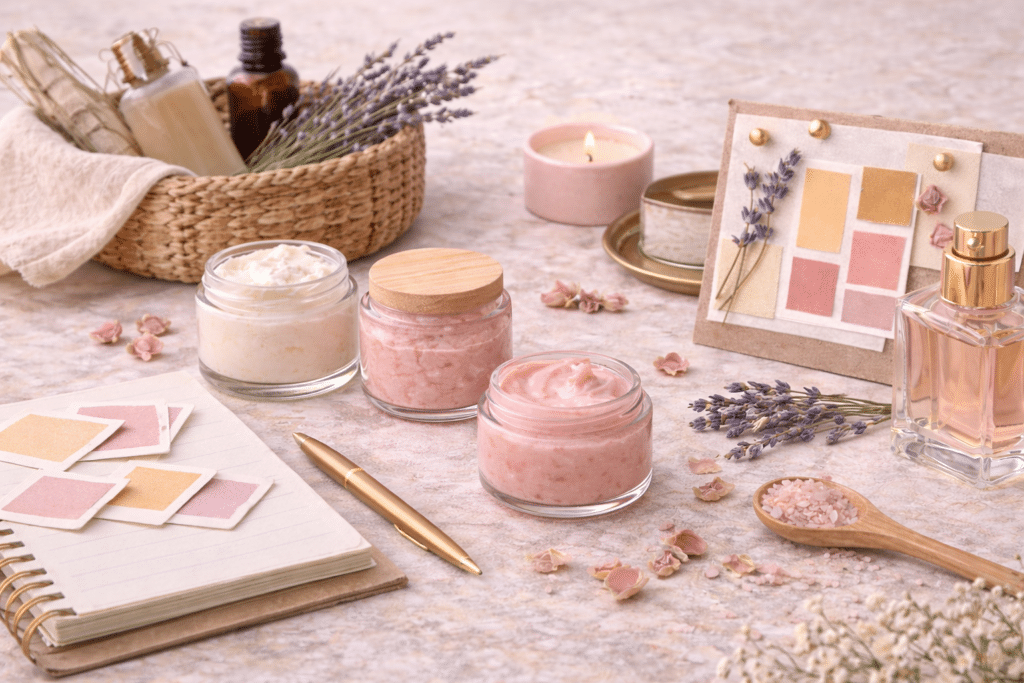
For many people, DIY beauty starts as a simple curiosity — a single project made at home for fun or experimentation. Over time, however, it often evolves into something deeper: a long-term creative hobby that encourages exploration, mindfulness, and personal expression.
Unlike trends that come and go, DIY beauty has the flexibility to grow with the maker. As skills develop and preferences become clearer, projects naturally shift from one-off experiments to a creative practice that feels both enjoyable and sustainable.
Why DIY Beauty Naturally Encourages Long-Term Creativity
DIY beauty offers a unique balance between structure and freedom. While basic techniques and ingredients provide a foundation, each project allows room for interpretation, adjustment, and creativity. This balance helps keep the hobby engaging over time.
Because projects are typically small-batch and low-pressure, makers can explore ideas without feeling committed to perfection. This flexibility encourages experimentation, which is one of the key reasons DIY beauty remains enjoyable in the long term.
Many creators find that this mindset aligns closely with a broader creative lifestyle, as discussed in exploring handmade beauty as a creative lifestyle.
How Skills Develop Gradually Through DIY Beauty
One of the most appealing aspects of DIY beauty as a long-term hobby is how skills develop naturally. There is no fixed timeline or expectation — progress happens through repetition, observation, and curiosity.
Early projects often focus on simple techniques and familiar ingredients. Over time, makers may begin adjusting textures, experimenting with color palettes, or refining scent combinations. These gradual improvements help maintain interest without creating pressure.
This slow progression mirrors other creative hobbies, where enjoyment comes from the process rather than the end result. Many makers find satisfaction in looking back at earlier projects and noticing how their approach has evolved.
The Role of Routine and Creative Flow
DIY beauty often becomes part of a regular creative routine. Whether projects are made monthly, seasonally, or whenever inspiration strikes, having a familiar creative outlet helps reinforce the habit over time.
Some makers enjoy planning projects throughout the year, aligning ideas with seasons or personal schedules. This approach helps maintain momentum and prevents creative burnout, as explored in planning DIY beauty projects throughout the year.
Over time, this rhythm creates a sense of creative flow — projects feel less like tasks and more like opportunities to relax, explore, and reset.
Why DIY Beauty Feels Sustainable as a Hobby
Unlike hobbies that require constant purchasing or advanced equipment, DIY beauty remains accessible. Most projects can be adapted to fit available time, space, and materials, making it easier to maintain long term.
This adaptability allows makers to scale projects up or down depending on their circumstances. Some periods may involve frequent experimentation, while others focus on familiar, comforting projects. Both approaches are equally valid.
Because DIY beauty emphasizes creativity rather than output, it avoids the pressure often associated with productivity-focused hobbies.
Creative Confidence and Personal Style
As DIY beauty becomes a long-term hobby, many makers develop a stronger sense of creative confidence. Projects begin to reflect personal preferences rather than external inspiration alone.
This confidence often shows up in subtle ways — preferred textures, consistent color choices, or familiar scent profiles. Over time, these patterns form a personal creative style that feels authentic and satisfying.
This evolution mirrors the creative journey described in from idea to finished project: the creative flow of DIY beauty, where each stage builds on the last.
DIY Beauty as a Creative Practice, Not a Trend
What ultimately makes DIY beauty a lasting hobby is its focus on enjoyment rather than trends. Projects can be revisited, adapted, or paused without losing their value.
Rather than chasing new ideas constantly, many long-term makers return to familiar techniques while allowing space for occasional experimentation. This balance keeps the hobby grounded and rewarding.
Conclusion: A Hobby That Grows With You
DIY beauty becomes a long-term creative hobby because it adapts to the maker. It grows alongside skills, schedules, and personal interests, offering a flexible and enjoyable creative outlet.
By focusing on process, creativity, and personal expression, DIY beauty remains engaging without pressure. Over time, it transforms from a simple project idea into a meaningful creative practice that can be revisited again and again.