


Making solid perfume at home is a simple, fun DIY that lets you create a personalised fragrance balm using a few everyday ingredients. Solid perfume is compact, easy to apply, and great for keeping in your handbag for quick touch-ups. With beeswax, a carrier oil, and a blend of essential oils, you can make a mess-free perfume balm that feels luxurious and smells completely unique.

Unlike spray perfumes, a solid perfume sits in a small tin or jar and is applied directly to the skin (usually pulse points like wrists and neck). The wax helps “hold” the scent, while the oil makes the balm glide on smoothly. Once you get the basic method down, you can experiment with different scent profiles—fresh, floral, warm, sweet, or citrusy—depending on the oils you choose.
This tutorial walks you through the full process, including how to choose base ingredients, how to blend fragrance notes, and how to store your perfume so it stays fresh and enjoyable to use.
Understanding Solid Perfume
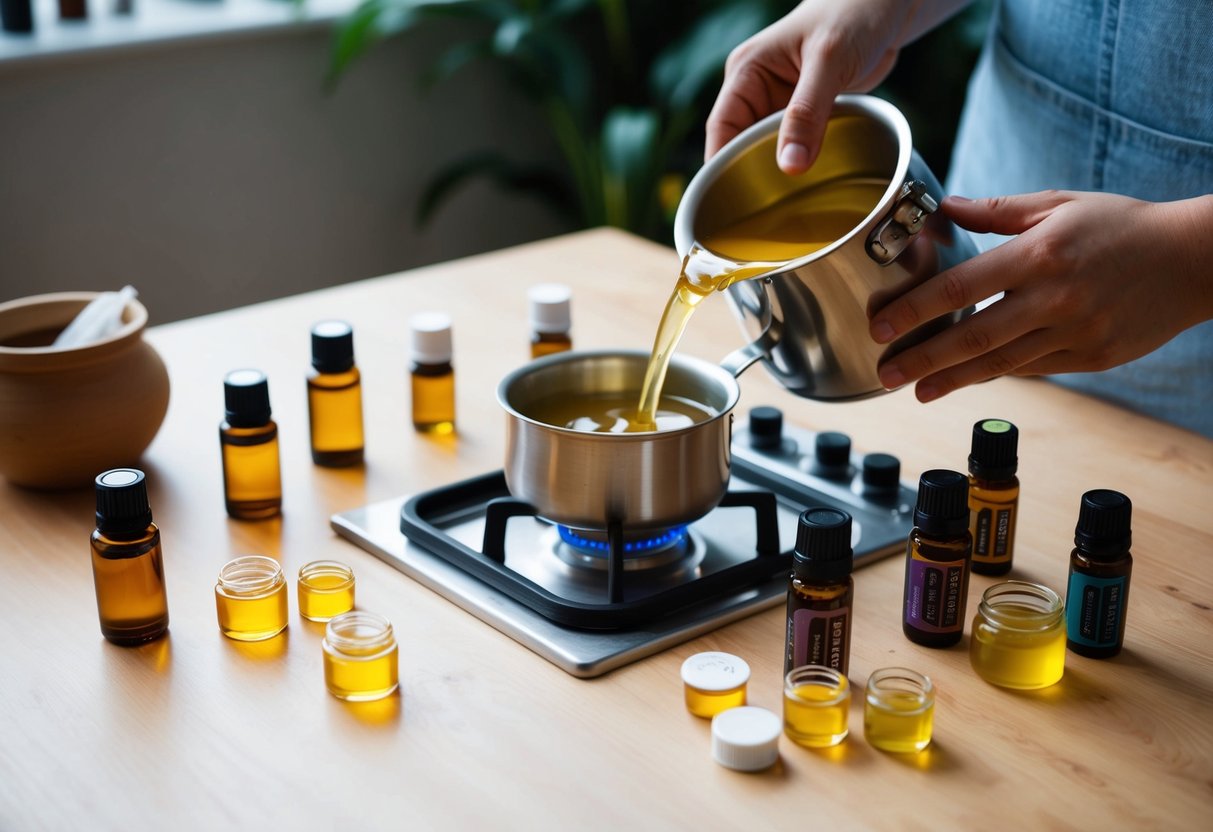
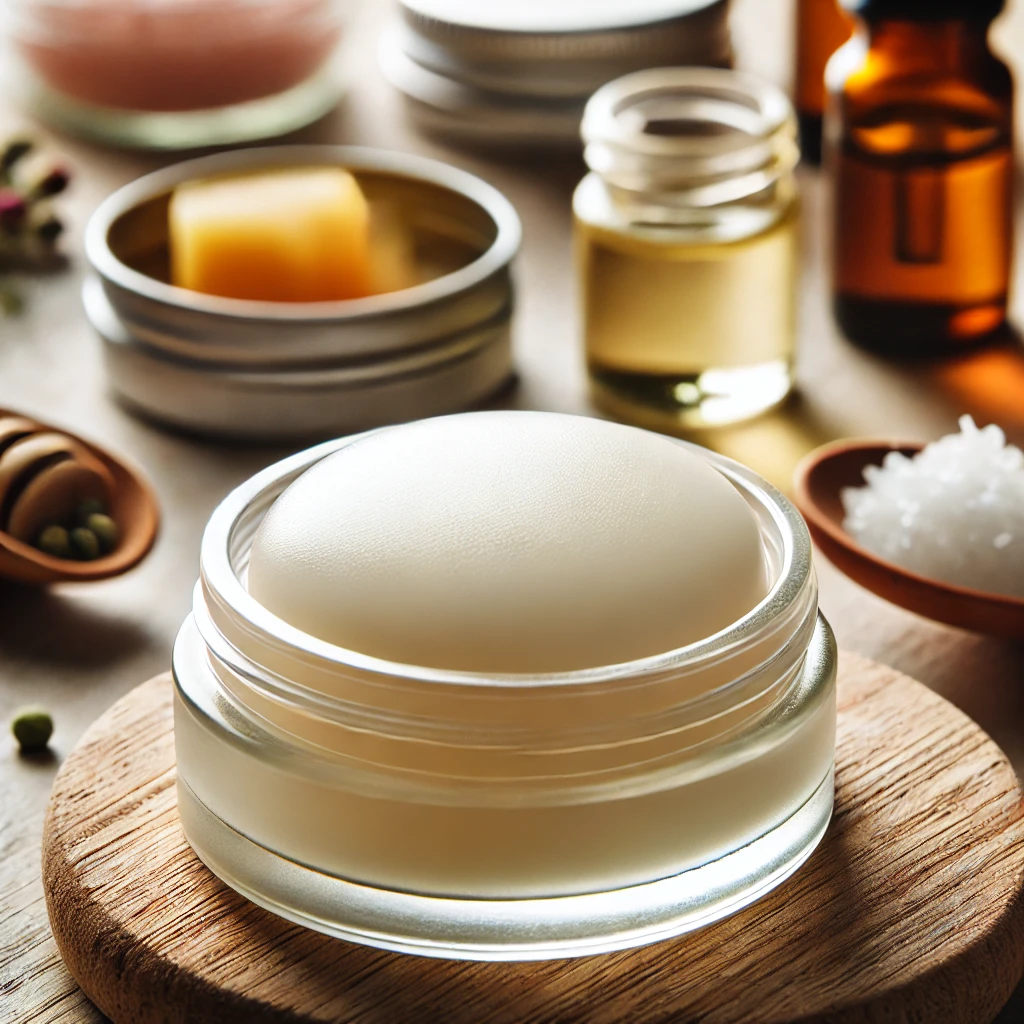
Solid perfume is a balm-style fragrance made with wax, a carrier oil, and essential oils. The final texture is soft and smooth, similar to a lip balm (but intended for the body). Because it doesn’t contain alcohol like many spray perfumes, it’s often a gentler option for people who prefer an oil-based fragrance format.
Benefits of Solid Perfume
Solid perfumes have a few practical advantages compared to liquid perfumes:
- Portable and travel-friendly: Small tins are easy to pop in a bag and won’t leak like a bottle can.
- Easy to apply: A quick swipe onto wrists or neck gives a subtle scent boost.
- Customisable: You can mix and match essential oils to create a signature scent you actually love wearing.
- Longer-lasting format: Because it’s a balm, it doesn’t evaporate as quickly as a spray perfume.
Note: fragrance strength can vary depending on the essential oils used, your blend ratio, and how your skin holds scent throughout the day.
Essential Oils and Fragrance Profiles
To make a perfume blend that smells balanced (and not overpowering), it helps to think in “notes”:
| Category | Examples | How it feels |
|---|---|---|
| Base Notes | Sandalwood, Vanilla | Warm, long-lasting |
| Middle Notes | Lavender, Geranium | Balanced, rounded |
| Top Notes | Bergamot, Citrus | Fresh, first impression |
A simple beginner blend approach is the 50/30/20 guideline: 50% base, 30% middle, 20% top. For example, if you’re using 30 drops total, try 15 drops base note + 9 drops middle note + 6 drops top note. It’s an easy way to create a more “perfume-like” scent profile.
Creating Your Solid Perfume
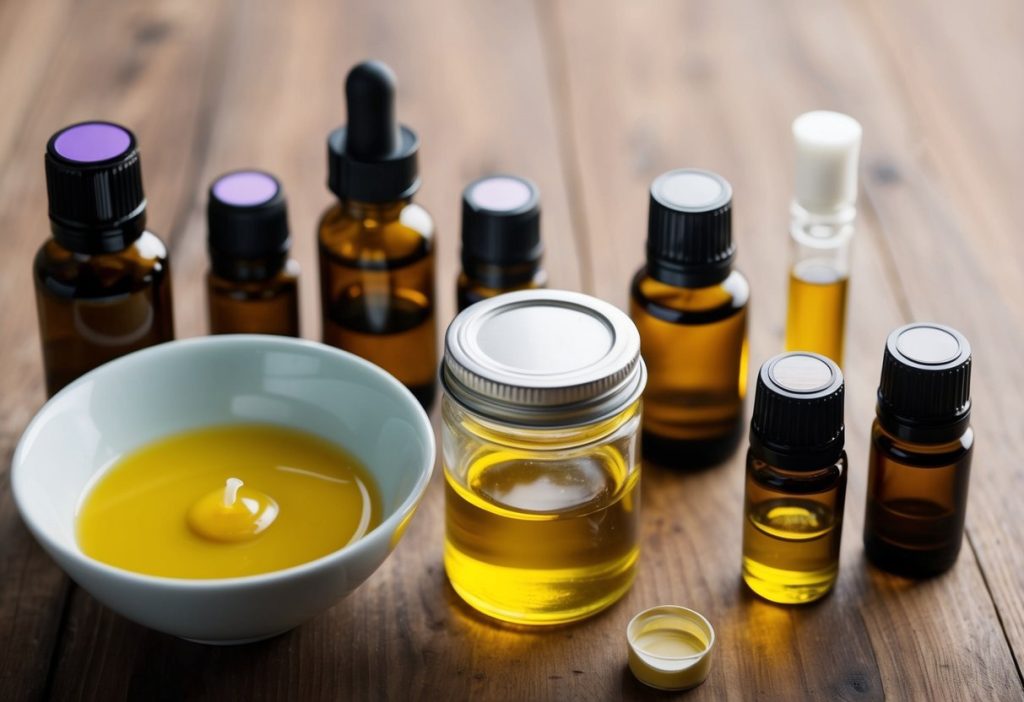
Making a solid perfume is quick once you’ve chosen your ingredients. The key is getting the wax-to-oil ratio right for a balm that sets nicely, then adding your essential oils at the correct stage so the fragrance stays true.
Selecting Your Base Ingredients
Most solid perfumes use a combination of beeswax and a carrier oil for slip and softness.
Common base ingredients:
- Beeswax: Gives structure and helps the balm set firmly.
- Coconut oil: Creates a smooth texture and helps the balm glide.
A good starting ratio is 1 part beeswax to 2 parts carrier oil. For example, 1.2 oz beeswax with 2.8 oz coconut oil sets into a firm-but-swipeable balm. If you want it softer, increase the oil slightly; if you want it firmer, add a little more wax.
Choosing Your Essential Oils
The essential oils you choose will define the fragrance. For a beginner-friendly blend, pick 2–3 oils and keep the scent profile simple.
- Lavender: Soft, floral, and clean
- Peppermint: Crisp and refreshing (use sparingly)
- Bergamot: Bright citrus with a slightly sweet edge
Important: Essential oils are concentrated. Keep your total essential oils to a conservative amount (for most DIY blends, around 1–2% of the finished product is a safe starting point). Always patch test and avoid applying near eyes, lips, or broken skin.
Mixing and Melting Your Ingredients
Start by measuring your beeswax and carrier oil. A double boiler method helps melt gently without overheating.
- Prepare a double boiler: Add about ¼ of water to a saucepan and warm on low heat.
- Melt the wax and oil: Place a heat-safe glass or metal bowl over the saucepan and melt your beeswax with the carrier oil.
- Cool slightly: Remove from heat and let the mixture cool for 1–2 minutes (so it’s no longer piping hot).
- Add essential oils last: Stir in your essential oils gently so the fragrance blends evenly.
Adding essential oils after removing from heat helps preserve the scent and prevents the fragrance from fading too quickly.
Setting and Storing Your Solid Perfume
Once blended, pour your mixture into clean, completely dry tins or small jars.
- Pour into containers: Work carefully and avoid splashes (the mixture will firm as it cools).
- Let it set: Leave at room temperature until fully solid. (Refrigerating can sometimes cause a grainy texture depending on the oils used.)
Store your solid perfume in a cool, dry place away from direct sunlight. Label the tin with the scent name and date, especially if you plan to make a few different blends.
Frequently Asked Questions
This section answers common questions about making and using solid perfume with essential oils.
How can I make a solid perfume more long-lasting?
Use a blend that includes heavier base-note oils (such as sandalwood-style notes or vanilla-style notes) and store your perfume in a cool, dark place with the lid tightly closed. Applying onto moisturised skin can also help fragrance last longer.
Which carrier oils are best suited for formulating a solid perfume?
Lightweight carrier oils like jojoba oil, sweet almond oil, and fractionated coconut oil work well because they absorb nicely and blend easily with essential oils.
How many drops of essential oil should be used in a homemade solid perfume?
A simple starting point is 10–20 drops of essential oils per 2 oz of finished balm, depending on the strength of the oils you use. Start low, test the scent once set, and adjust next batch if you want it stronger. Always patch test before regular use.
DIY solid perfume is for cosmetic use only. Essential oils are concentrated and should be used thoughtfully—avoid contact with eyes and lips, and discontinue use if irritation occurs.