

Coconut oil deodorant is a popular choice for those who want to use a natural alternative to store-bought deodorants. Coconut oil has natural antibacterial properties that can help to eliminate odor-causing bacteria, while also moisturizing the skin. Making your own coconut oil deodorant is simple and can be done with just a few ingredients.
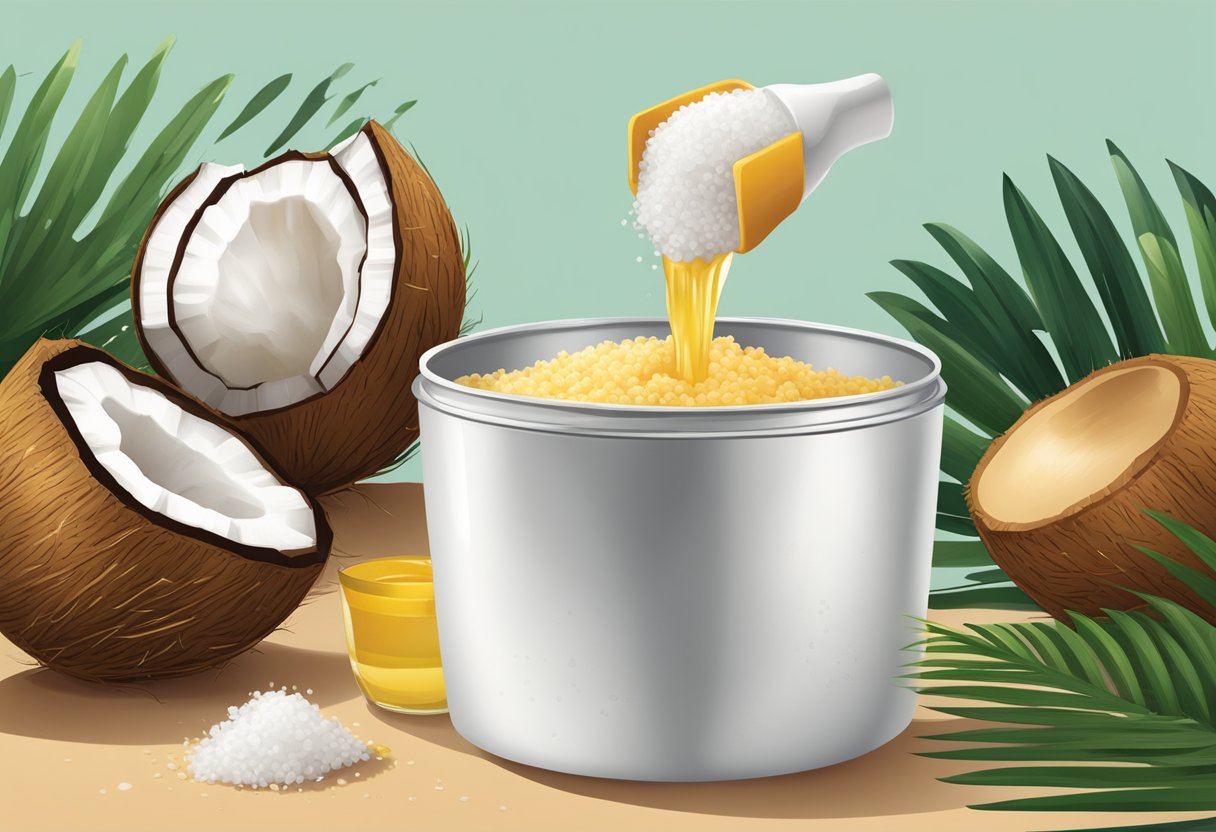
To make coconut oil deodorant, all you need is coconut oil, baking soda, and cornstarch. Combine these ingredients in a bowl and stir until well mixed. You can add essential oils to the mixture for a pleasant scent. Once the mixture is well combined, transfer it to a clean jar for storage.
Using coconut oil deodorant is easy. Simply apply a small amount to your underarms with your fingers. The coconut oil will melt on contact with your skin, making it easy to spread. This natural deodorant is effective and gentle on the skin, making it a great choice for those who want to avoid harsh chemicals and synthetic fragrances.
Benefits of Coconut Oil Deodorant
Coconut oil deodorant is a natural alternative to conventional deodorants that often contain harmful chemicals. Here are some benefits of using coconut oil deodorant:
-
Natural ingredients: Coconut oil deodorant is made of natural ingredients such as coconut oil, baking soda, and essential oils. These ingredients are safe and gentle on the skin, making it suitable for people with sensitive skin.
-
Antibacterial properties: Coconut oil has antibacterial properties that help to kill odor-causing bacteria. This helps to keep the underarms fresh and odor-free.
-
Moisturizing: Coconut oil is a natural moisturizer that helps to keep the underarms hydrated and prevent dryness and irritation.
-
Long-lasting: Coconut oil deodorant is long-lasting and provides protection against odor for hours. This means that you don’t have to worry about reapplying it throughout the day.
-
Eco-friendly: Coconut oil deodorant is eco-friendly as it does not contain any harmful chemicals that can harm the environment. It is also cruelty-free and vegan-friendly, making it a great choice for people who are conscious about the impact of their choices on the planet.
Overall, coconut oil deodorant is a great natural alternative to conventional deodorants. It is safe, gentle, and effective at keeping the underarms fresh and odor-free.
Essential Ingredients
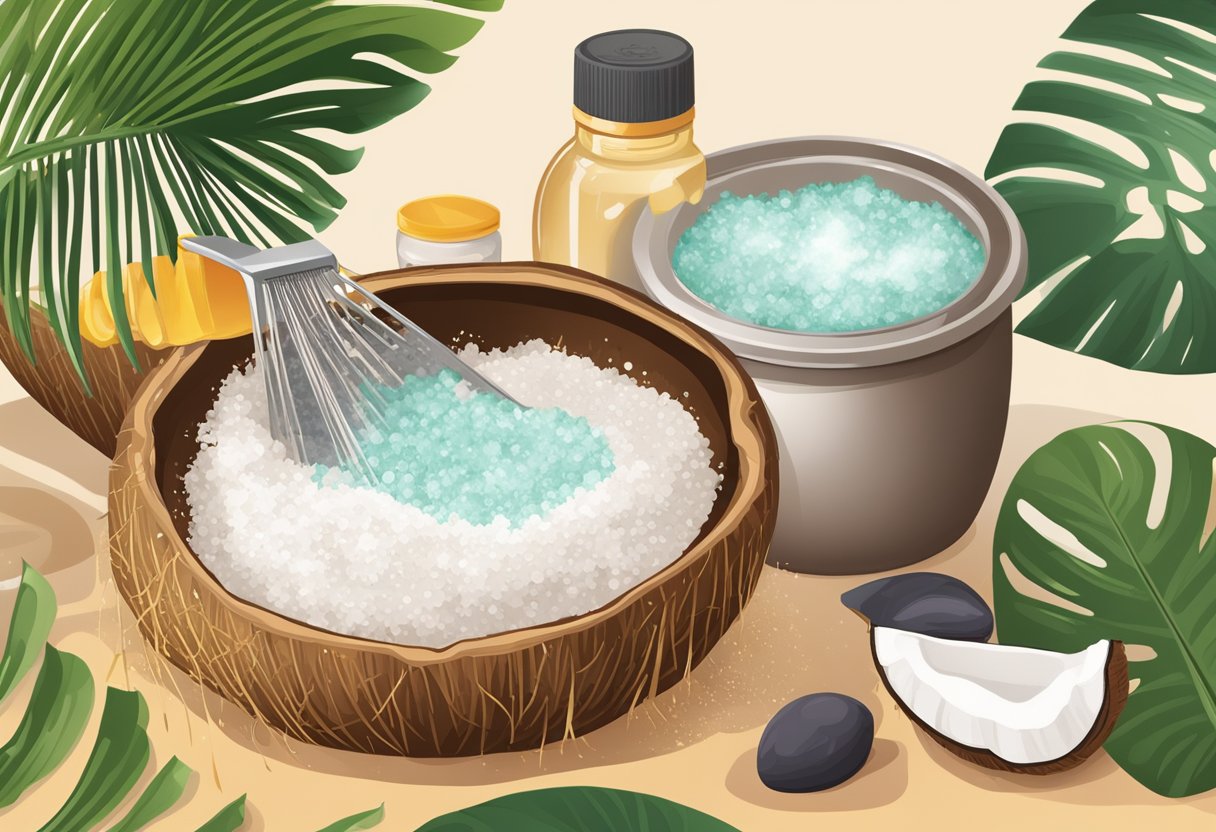
Making your own coconut oil deodorant is easy and only requires a few simple ingredients. Here are the essential ingredients you’ll need:
Coconut Oil
Coconut oil is the base of this deodorant recipe. It’s a natural moisturizer that is easily absorbed into the skin and has antibacterial properties that help to fight odor-causing bacteria. You’ll need to use virgin or unrefined coconut oil, as it hasn’t been processed and still contains all of its beneficial properties.
Baking Soda
Baking soda is a natural deodorizer that helps to neutralize odors. It’s also a mild abrasive that helps to remove dead skin cells and unclog pores. However, it’s important to note that some people may be sensitive to baking soda and may experience skin irritation or rashes.
Cornstarch or Arrowroot Powder
Cornstarch or arrowroot powder helps to absorb moisture and prevent sweat. It also helps to make the deodorant more spreadable and less greasy. Arrowroot powder is a good alternative to cornstarch for those who are allergic to corn.
Essential Oils
Essential oils are optional, but they can add a pleasant scent to your deodorant and also have antibacterial properties. Some popular essential oils for deodorant include tea tree oil, lavender, and lemon grass. It’s important to use high-quality essential oils that are pure and free of additives.
By using these essential ingredients, you can create a natural and effective coconut oil deodorant that will keep you feeling fresh all day long.
Required Tools and Equipment
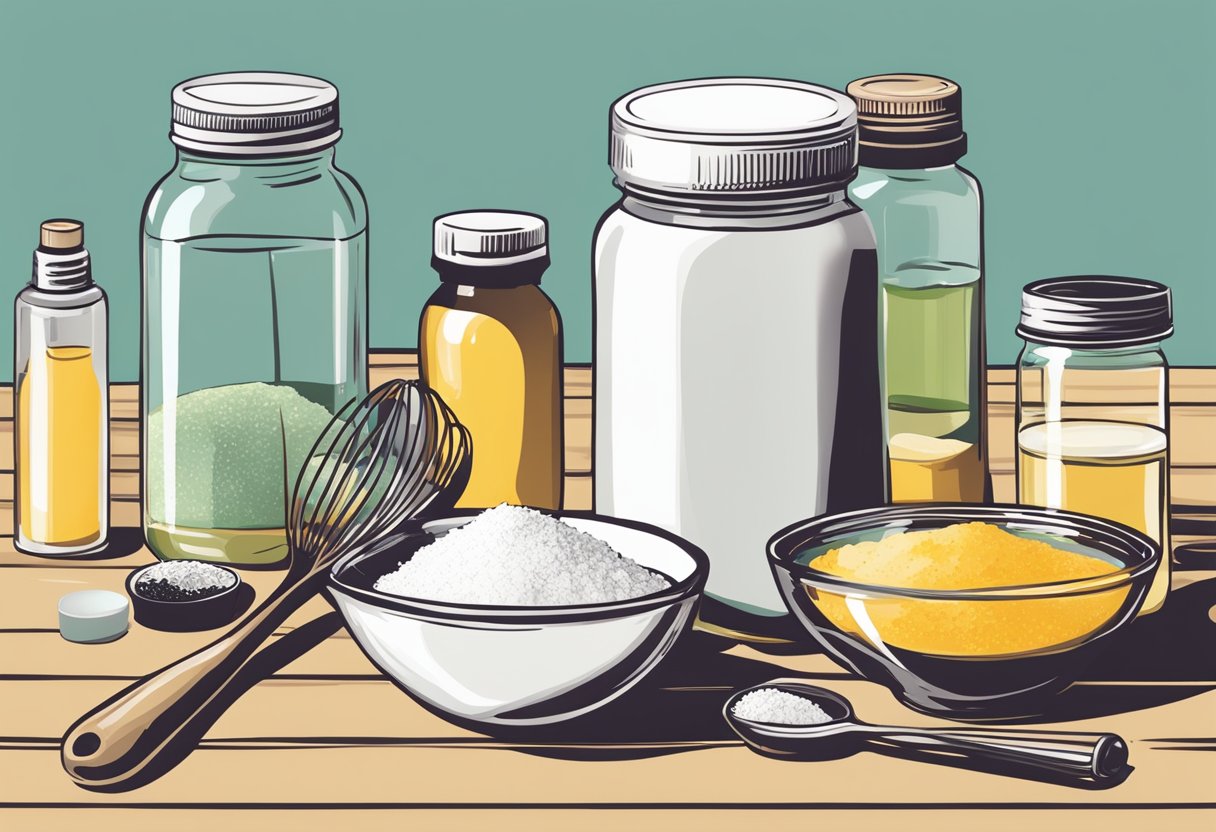
Making coconut oil deodorant at home is a simple process that requires only a few basic tools and ingredients. Here are the tools and equipment needed to make your own coconut oil deodorant:
1. Mixing Bowl
A mixing bowl is an essential tool for making coconut oil deodorant. It allows you to mix the ingredients together thoroughly and evenly. A glass or stainless steel bowl is recommended as it is easy to clean and won’t react with the ingredients.
2. Spoon or Spatula
A spoon or spatula is needed to mix the ingredients together in the bowl. A silicone spatula is ideal as it is flexible and easy to clean.
3. Measuring Spoons
Measuring spoons are needed to measure the ingredients accurately. A set of stainless steel measuring spoons is recommended.
4. Jar or Container
A jar or container is needed to store the finished deodorant. A small glass jar with a lid or an empty deodorant container can be used.
5. Double Boiler
A double boiler is needed to melt the coconut oil. If you don’t have a double boiler, you can use a heat-safe bowl or jar placed in a pot of simmering water.
6. Ingredients
The ingredients needed to make coconut oil deodorant include coconut oil, baking soda, cornstarch or arrowroot powder, and essential oils (optional).
Overall, making coconut oil deodorant at home is an easy and cost-effective alternative to store-bought deodorants. With these basic tools and ingredients, anyone can make their own natural deodorant in just a few simple steps.
Step-by-Step Preparation Guide
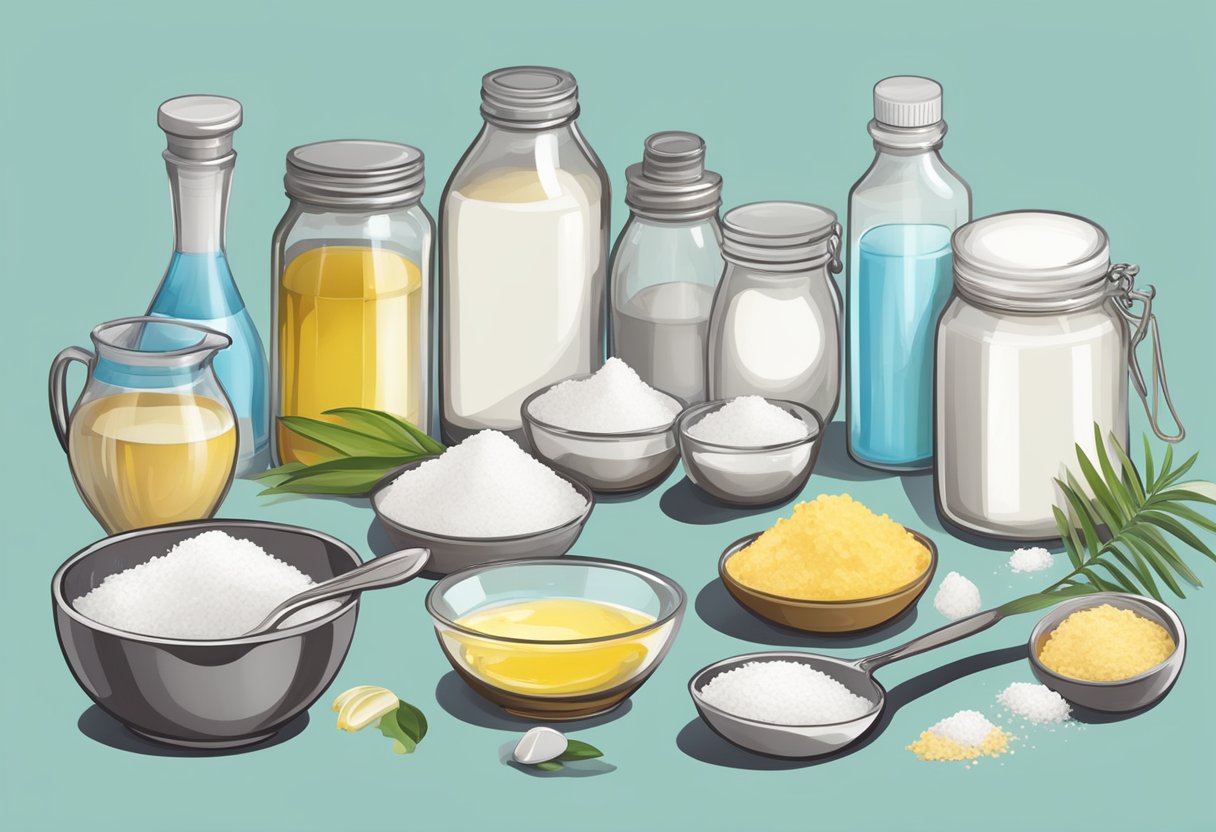
Making coconut oil deodorant is a simple and cost-effective way to keep your underarms fresh and odor-free. Here’s a step-by-step guide to making your own coconut oil deodorant.
Ingredients
To make coconut oil deodorant, you will need the following ingredients:
- 1/4 cup coconut oil
- 1/4 cup baking soda
- 1/4 cup cornstarch
- 10-20 drops of essential oil (optional)
Instructions
- Melt the coconut oil in a double boiler or microwave until it is liquid.
- In a separate bowl, mix the baking soda and cornstarch until they are well combined.
- Slowly add the melted coconut oil to the baking soda and cornstarch mixture, stirring constantly until it is well blended.
- Add 10-20 drops of your favorite essential oil if desired. Stir well.
- Pour the mixture into a clean, empty deodorant container or a small jar with a lid.
- Allow the deodorant to cool and solidify before using.
Tips and Tricks
- Be sure to use organic, unrefined coconut oil for the best results.
- If you have sensitive skin, you can reduce the amount of baking soda and increase the amount of cornstarch.
- Essential oils such as lavender, tea tree, and peppermint can provide additional antibacterial properties and a pleasant scent.
- Store the deodorant in a cool, dry place to prevent melting.
- Apply a small amount of the deodorant to your underarms with your fingers or a clean cloth.
By following these simple steps, you can make your own coconut oil deodorant that is free from harmful chemicals and gentle on your skin. Give it a try and enjoy the benefits of a natural, effective deodorant.
Application Tips and Techniques
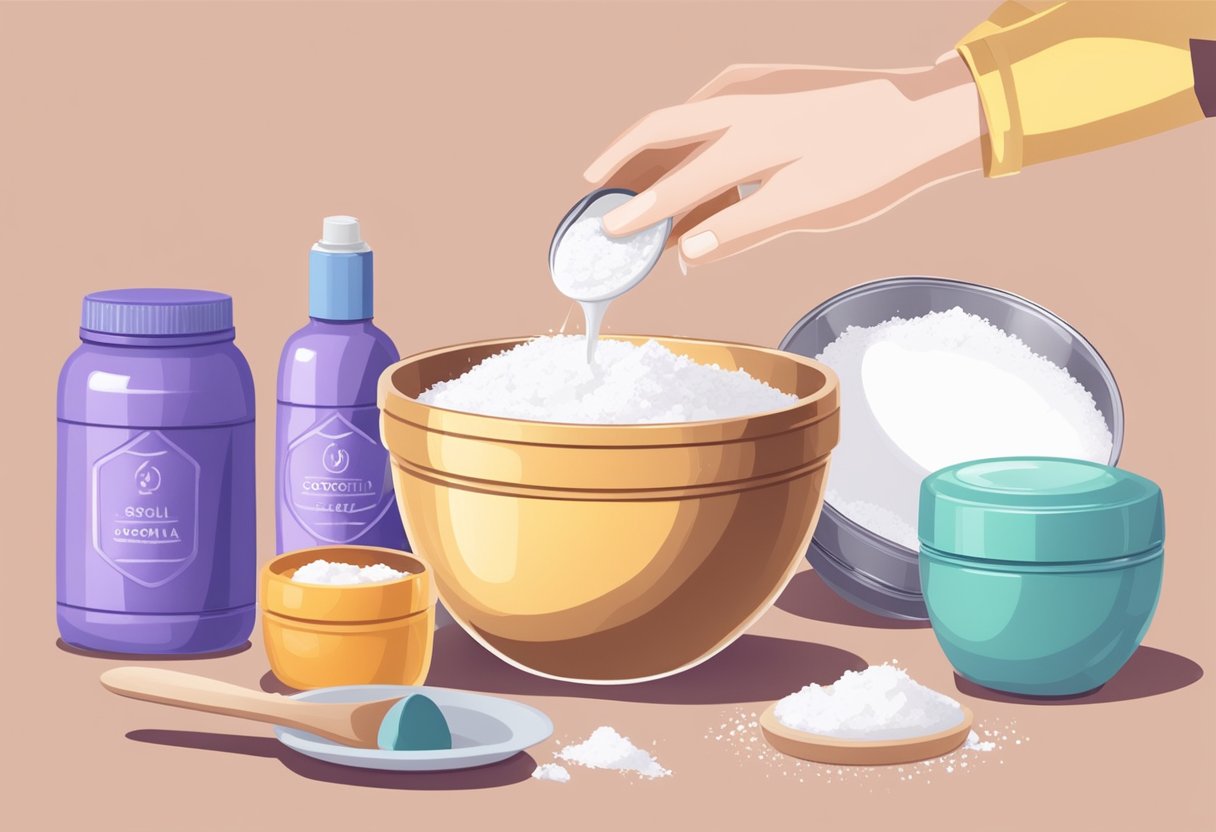
Applying coconut oil deodorant is a straightforward process, but there are a few tips and techniques that can help make it more effective.
Apply to Clean Skin
Before applying coconut oil deodorant, it is essential to ensure that the skin is clean and dry. This helps to prevent the growth of bacteria that can cause odor. If necessary, take a shower or wash the underarms with soap and water before applying the deodorant.
Use a Small Amount
Coconut oil deodorant is effective in small amounts. A small amount, about the size of a pea, is enough for each underarm. Using too much can leave the skin feeling greasy and may not be effective in preventing odor.
Allow Time to Absorb
After applying coconut oil deodorant, it is essential to allow time for it to absorb into the skin before getting dressed. This helps to prevent the deodorant from rubbing off onto clothing and ensures that it is effective in preventing odor.
Reapply as Needed
Coconut oil deodorant is not as long-lasting as commercial deodorants, so it may be necessary to reapply throughout the day. This is especially true for those who are physically active or live in hot climates. Keep a small container of the deodorant with you and reapply as needed.
Avoid Overuse
While coconut oil deodorant is generally safe to use, overuse can cause skin irritation. If you experience any redness, itching, or irritation, discontinue use and consult a healthcare professional.
By following these tips and techniques, you can effectively use coconut oil deodorant to prevent odor and keep your underarms feeling fresh and clean.
Storage and Shelf Life
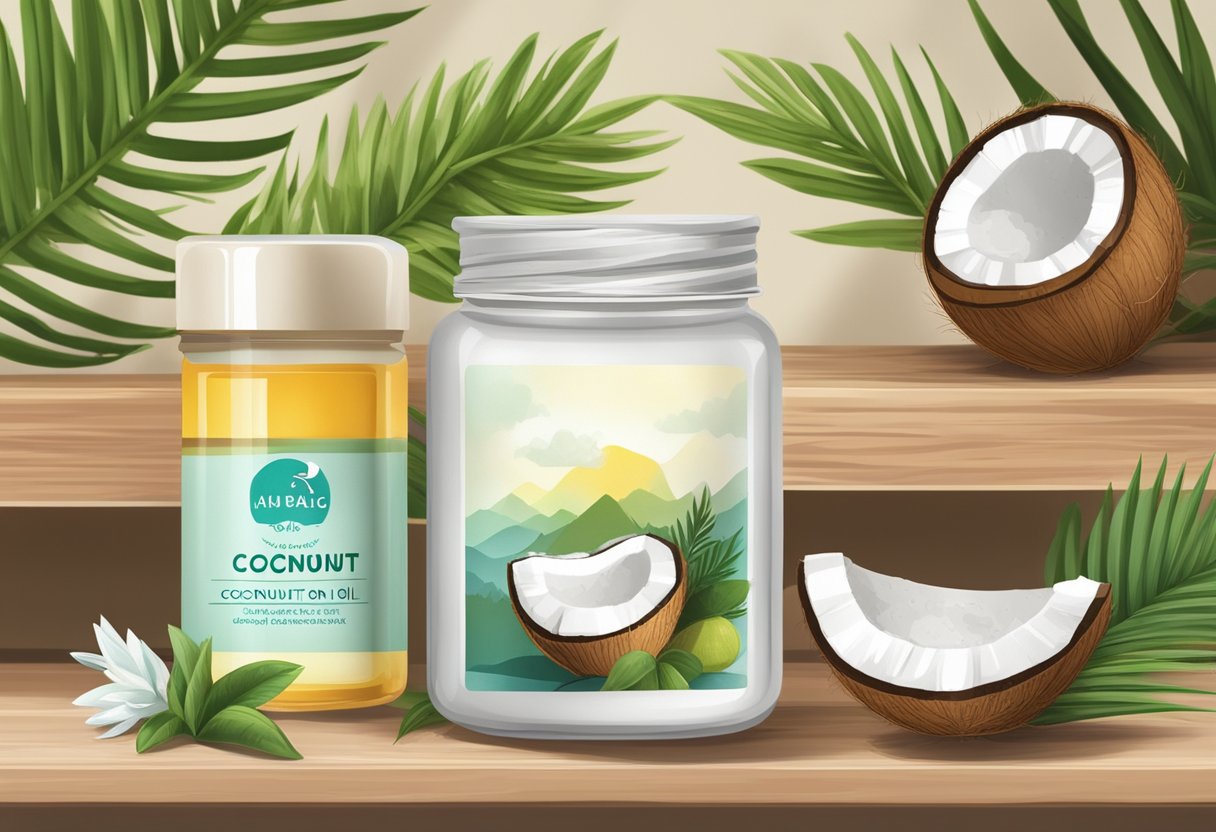
When it comes to storing coconut oil deodorant, it is essential to keep it in a cool and dry place to prevent it from melting or losing its effectiveness. A cupboard or drawer in the bathroom is an ideal location for storage.
The shelf life of coconut oil deodorant can vary depending on the quality of the ingredients used and the storage conditions. Generally, homemade coconut oil deodorant can last up to six months if stored correctly. However, it is recommended to make small batches and use them within a few months to ensure freshness and effectiveness.
To extend the shelf life of coconut oil deodorant, some people prefer to add natural preservatives such as vitamin E oil or grapefruit seed extract. These can help to prevent the growth of bacteria and extend the life of the deodorant.
It is important to note that coconut oil deodorant may change consistency or texture over time, especially in warmer temperatures. This is normal and does not affect its effectiveness. Simply stir or mix the deodorant before use to ensure an even consistency.
Overall, proper storage and making small batches can help to ensure the effectiveness and longevity of homemade coconut oil deodorant.
Troubleshooting Common Issues
Making your own deodorant can be a fun and rewarding experience, but sometimes things don’t go as planned. Here are some common issues that may arise and how to troubleshoot them.
Issue: Deodorant is too hard
If your coconut oil deodorant is too hard, it may be due to using too much beeswax or not enough coconut oil. To fix this issue, try melting the deodorant down and adding more coconut oil until it reaches the desired consistency.
Issue: Deodorant is too soft
If your coconut oil deodorant is too soft, it may be due to using too much coconut oil or not enough beeswax. To fix this issue, try melting the deodorant down and adding more beeswax until it reaches the desired consistency.
Issue: Deodorant is grainy
If your coconut oil deodorant is grainy, it may be due to not fully mixing the ingredients together or using ingredients that are not finely ground. To fix this issue, try melting the deodorant down and stirring it vigorously until the ingredients are fully combined. You can also try using finer ingredients or grinding them down further before mixing.
Issue: Deodorant is irritating
If your coconut oil deodorant is causing irritation, it may be due to using too much baking soda or essential oils. To fix this issue, try reducing the amount of baking soda or essential oils in the recipe. You can also try using a different type of essential oil or omitting it altogether.
By troubleshooting these common issues, you can ensure that your homemade coconut oil deodorant is effective and enjoyable to use.
Customizing Your Deodorant
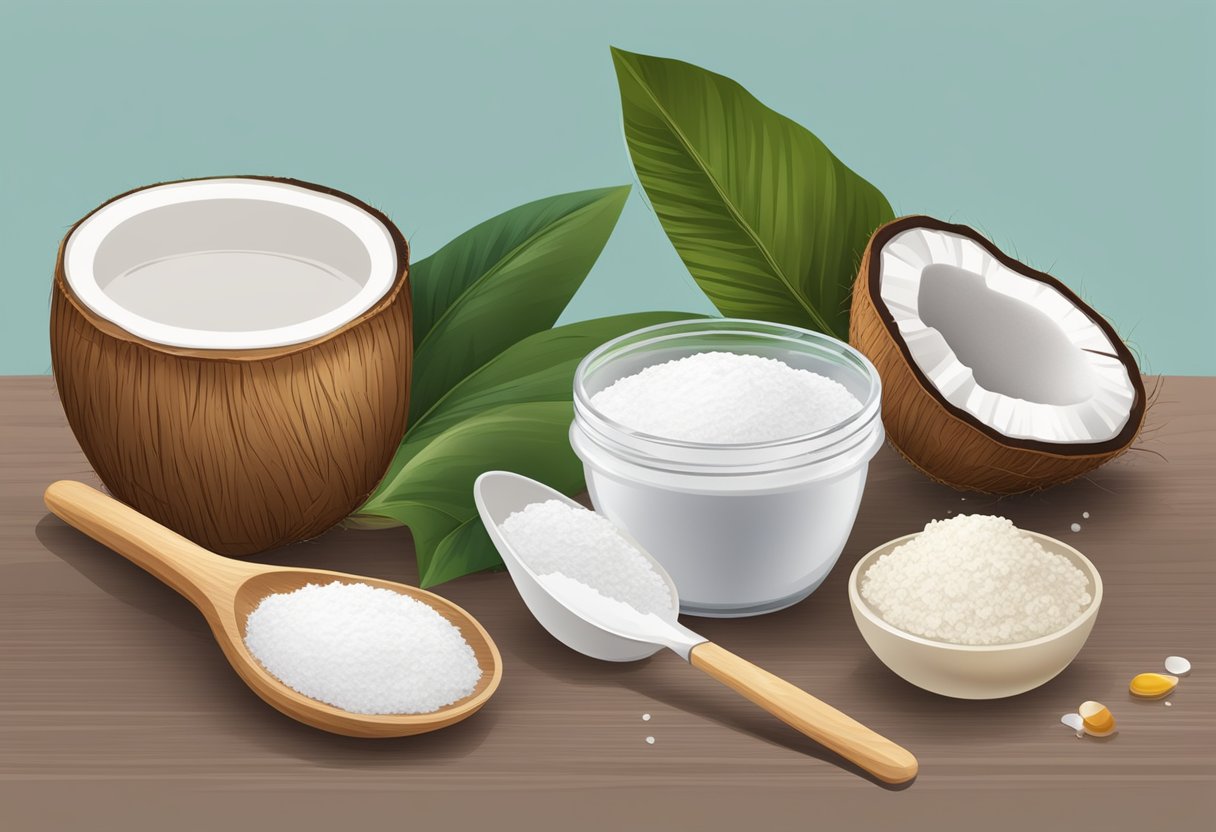
One of the great benefits of making your own coconut oil deodorant is that you can customize it to your liking. Here are a few ideas to get you started:
Essential Oils
Adding essential oils to your deodorant not only adds a pleasant scent, but can also provide additional benefits. Tea tree oil, for example, is a natural antifungal and antibacterial agent that can help fight off odor-causing bacteria. Lavender oil has a calming effect and can help soothe irritated skin. Peppermint oil has a cooling effect and can help refresh and invigorate you.
Baking Soda
Baking soda is a key ingredient in many homemade deodorants because of its ability to absorb moisture and neutralize odors. However, some people may find that baking soda irritates their skin. If this is the case for you, try reducing the amount of baking soda in your recipe or substituting it with arrowroot powder.
Cornstarch
Cornstarch is another ingredient that can help absorb moisture and keep you feeling dry. However, some people may prefer to use arrowroot powder instead, as it is gentler on the skin.
Containers
You can store your homemade deodorant in a variety of containers, depending on your preference. Some people like to use empty deodorant containers for easy application, while others prefer small glass jars. Just make sure the container you choose is clean and airtight to prevent contamination.
By customizing your coconut oil deodorant, you can create a product that works best for you and your needs. Experiment with different essential oils, adjust the amount of baking soda and cornstarch, and find the perfect container for you. With a little bit of trial and error, you can create a deodorant that is both effective and personalized.
Frequently Asked Questions
What are the best essential oils to add to homemade coconut oil deodorant for fragrance?
The essential oils that are best for adding fragrance to homemade coconut oil deodorant are those that have natural antibacterial properties. Tea tree oil, lavender oil, peppermint oil, and lemon oil are all great options. They also have a pleasant scent that can help mask body odor.
How can I create a coconut oil deodorant without using baking soda?
If you are looking to create a coconut oil deodorant without using baking soda, arrowroot powder can be used as a substitute. Arrowroot powder helps to absorb moisture and neutralize body odor. You can also add essential oils to the mixture to add fragrance.
What is a simple recipe for making coconut oil deodorant with baking soda?
A simple recipe for making coconut oil deodorant with baking soda is to mix 1/4 cup of coconut oil, 1/4 cup of baking soda, and 1/4 cup of cornstarch together until well combined. You can also add a few drops of your favorite essential oil for fragrance.
What are the necessary ingredients for a basic three-ingredient homemade deodorant?
The necessary ingredients for a basic three-ingredient homemade deodorant are coconut oil, baking soda, and cornstarch. These ingredients work together to absorb moisture and neutralize body odor. You can also add essential oils for fragrance.
Does applying coconut oil to underarms effectively neutralize body odor?
Coconut oil has natural antibacterial properties that can help to neutralize body odor. However, it may not be as effective as a commercial deodorant. It is important to note that everyone’s body chemistry is different, and what works for one person may not work for another.