
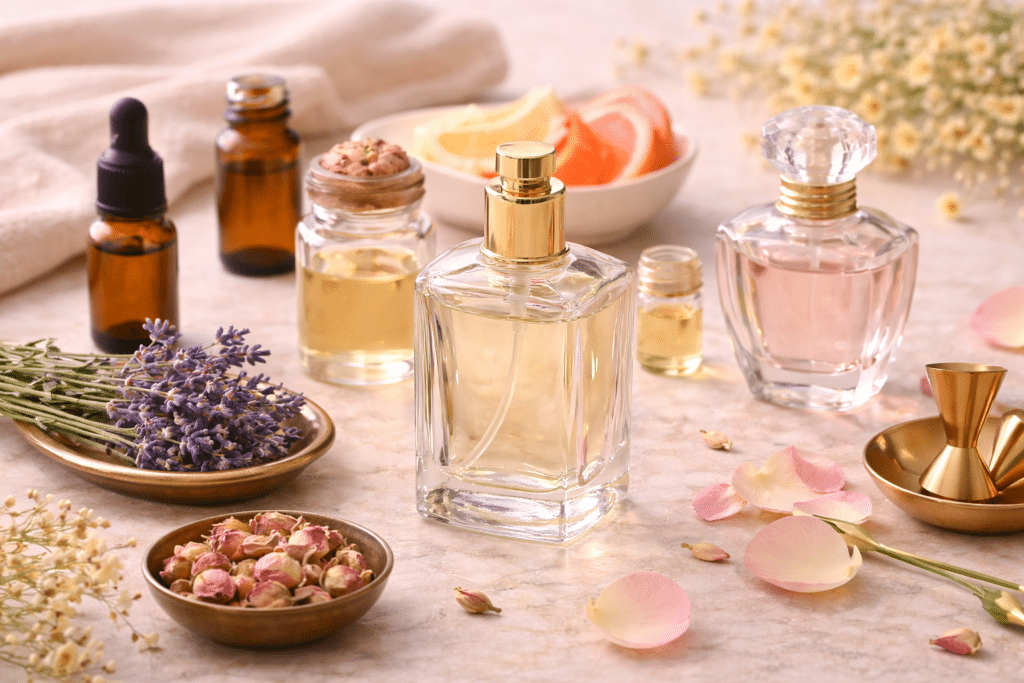
DIY perfume is a creative way to explore scent through small, personal projects that focus on self-expression rather than mass production. Instead of buying pre-made fragrances designed for the widest possible audience, DIY perfume allows you to engage with scent in a more thoughtful, hands-on way. It’s about discovering what different aromas evoke, how they interact, and how fragrance can reflect personality, mood, or memory.
Unlike commercial perfumery, which often prioritises branding, consistency, and large-scale appeal, DIY perfume is rooted in curiosity and creativity. Many people are drawn to it as a hobby because it combines artistic exploration with sensory awareness, making it both calming and inspiring.
DIY Perfume as a Creative Hobby
At its core, DIY perfume is less about perfection and more about experimentation. Scent is highly subjective — what feels comforting or uplifting to one person may feel entirely different to another. This makes perfume creation an ideal creative outlet, as there are no strict rules to follow.
People often compare DIY perfume to other creative hobbies like painting, candle making, or journaling. Each project becomes a small expression of taste and intention, shaped by individual preferences rather than trends. Whether you enjoy fresh, warm, earthy, or floral scents, DIY perfume offers space to explore those preferences in a personal way.
Why DIY Perfume Appeals to Creative Lifestyles
DIY perfume fits naturally into a creative lifestyle focused on mindful projects and hands-on experiences. Many people enjoy small-batch creative activities as a way to slow down and reconnect with their senses. Working with scent encourages attention to detail, patience, and curiosity — qualities often associated with creative thinking.
Because DIY perfume projects are typically small in scale, they can be enjoyed without pressure. There’s no expectation to produce a “perfect” result, making the process accessible even to beginners. Each attempt becomes a learning experience, helping you better understand scent combinations and personal preferences.
The Role of Scent in Everyday Life
Fragrance plays a subtle but powerful role in daily life. Certain scents are closely tied to memory, emotion, and atmosphere. A familiar aroma can remind someone of a place, a season, or a meaningful moment, even years later.
DIY perfume projects allow you to explore these connections in a creative way. Instead of wearing a fragrance chosen by a brand, you can engage with scent as something intentional and personal. This approach often appeals to people who enjoy handmade projects that feel more meaningful than off-the-shelf alternatives.
How DIY Perfume Projects Differ From Store-Bought Fragrances
Store-bought perfumes are designed for consistency and long shelf life, often created to appeal to broad audiences. DIY perfume projects, on the other hand, are usually created in small batches with creativity as the main goal.
Rather than focusing on longevity or commercial appeal, DIY perfume projects emphasise exploration. The process encourages learning how different scent notes interact and how subtle changes can alter the overall experience of a fragrance.
This difference makes DIY perfume particularly appealing to people who value creativity and individuality. Each project feels unique, even when inspired by familiar scent families.
Common Themes in DIY Perfume Projects
While every project is different, many DIY perfume ideas revolve around a few recurring themes:
- Exploring scent families such as floral, citrus, woody, or fresh aromas
- Creating seasonal-inspired fragrances
- Designing personal scents based on mood or atmosphere
- Experimenting with small variations to understand balance and contrast
These themes make DIY perfume projects flexible and adaptable, allowing creators to revisit ideas over time and refine their preferences.
DIY Perfume as a Learning Experience
One of the most rewarding aspects of DIY perfume is the learning process itself. Each project builds familiarity with scent characteristics and how they interact. Over time, many people develop a better understanding of what makes a fragrance feel balanced or cohesive.
This gradual learning curve keeps the hobby engaging without becoming overwhelming. Projects can remain simple while still offering room for creativity and personal growth.
Is DIY Perfume Right for You?
DIY perfume appeals to people who enjoy creative hobbies, sensory experiences, and small-batch projects. It doesn’t require a background in chemistry or professional perfumery — just curiosity and an interest in exploring scent.
Whether you’re drawn to DIY perfume as a creative outlet, a mindful activity, or a way to personalise your fragrance choices, it offers a relaxed and enjoyable way to experiment with scent at your own pace.
As part of a broader DIY beauty lifestyle, perfume projects add another layer of creativity, encouraging exploration, self-expression, and appreciation for the sensory details that shape everyday experiences.