

Creating a natural and effective chapstick at home can be both satisfying and beneficial for lip care. The best organic chapstick recipe combines simple ingredients like coconut oil, beeswax, and shea butter which nourish and protect lips without harmful chemicals. This easy DIY project allows individuals to customize their lip balm with their favorite scents or essential oils, making it a unique addition to their skincare routine.

The simplicity of this recipe means it can be prepared quickly with minimal effort, often taking less than 15 minutes from start to finish. With easily accessible ingredients, anyone can make a batch that meets personal preferences and dietary needs. Whether it’s for personal use or as a thoughtful gift, this chapstick recipe is both practical and enjoyable.
With careful attention to the quality of the ingredients, this homemade chapstick provides a natural alternative to commercial products, offering peace of mind to those seeking chemical-free options. By following a straightforward process, anyone can achieve silky, smooth lips that are well-protected throughout the day.
Understanding Organic Ingredients
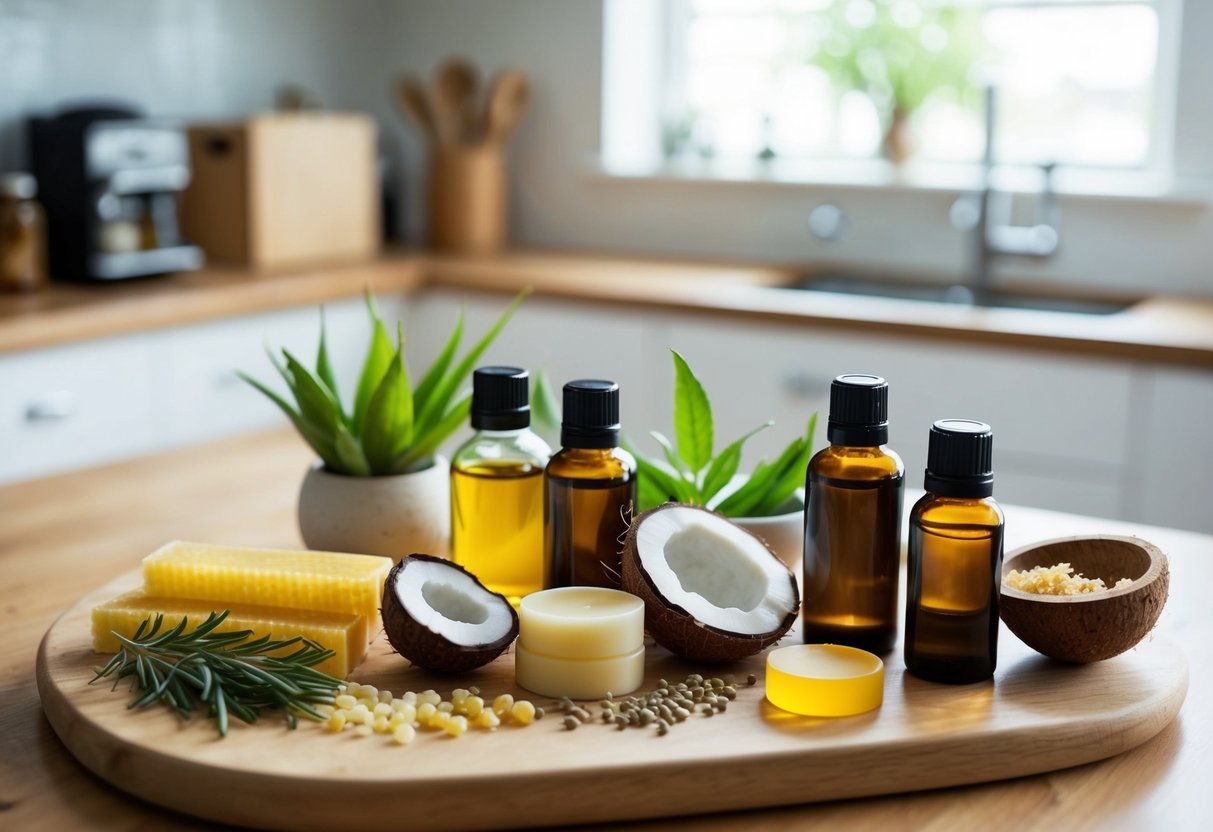
Organic ingredients are a key component of homemade chapstick recipes. They offer several advantages in terms of health and skin care. The following discusses the specific benefits, suitable oils and butters, as well as the role of essential oils and flavorings in crafting an effective organic chapstick.
Benefits of Organic Lip Care
Using organic ingredients in lip care products presents numerous benefits. Organic oils and butters, such as coconut oil, shea butter, and beeswax, are free from synthetic pesticides and chemicals. This reduces the risk of skin irritation or allergic reactions.
Organic products often contain higher nutrient levels. They can provide improved hydration and healing properties. For example, shea butter is known for its moisturizing benefits, while beeswax offers natural sun protection. Users can feel confident knowing their lips are treated with safer, more natural ingredients.
Choosing the Right Oils and Butters
Selecting the right oils and butters is essential for an effective chapstick. Popular options include:
- Coconut Oil: Known for its moisturizing properties and rapid absorption.
- Shea Butter: Provides deep hydration and is rich in vitamins A and E.
- Cocoa Butter: Offers a smooth texture and adds a pleasant scent.
Combining these ingredients allows for a nourishing formula that locks in moisture. They should be melted together using low heat until fully blended. This approach helps maintain the integrity of each ingredient while creating a smooth application.
Essential Oils and Flavorings
Incorporating essential oils and flavorings can enhance the sensory experience of homemade chapstick. The right oils not only provide pleasant fragrances but may also offer therapeutic benefits. For instance, peppermint oil can deliver a cooling sensation and may stimulate circulation.
When selecting essential oils, it’s crucial to choose high-quality, food-grade oils. Common options include:
- Peppermint Oil: Adds flavor and a refreshing aroma.
- Lavender Oil: Known for its calming properties.
- Tea Tree Oil: Offers antibacterial benefits.
These oils should be added after the base mixture has cooled slightly to preserve their properties. A small quantity, typically around 10-12 drops, is sufficient to impart flavor without overpowering the product.
Creating Your Organic Chapstick
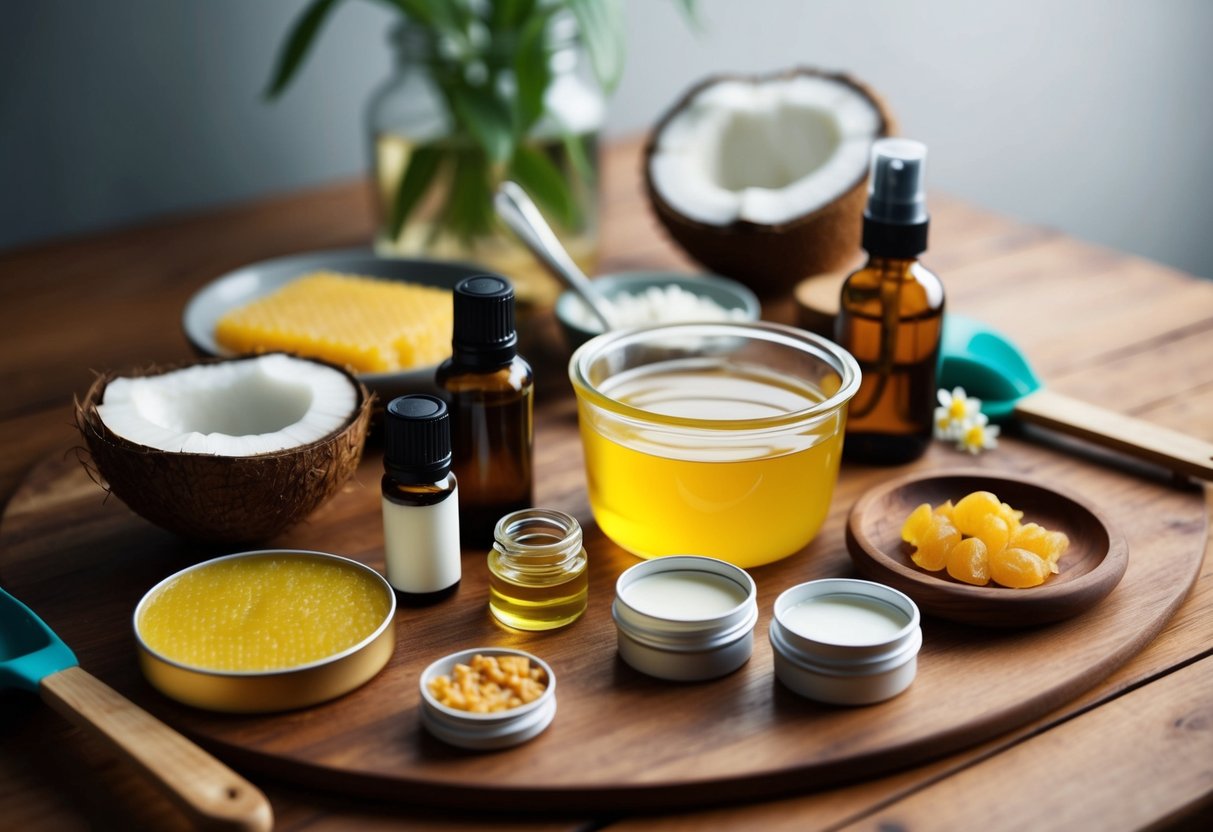
Making organic chapstick at home is straightforward and allows for customization based on personal preferences. This process requires specific tools and ingredients to achieve the perfect consistency and flavor.
Equipment and Tools Required
To create organic chapstick, certain equipment and tools are necessary. Here’s a list:
- Heat Source: A stove or microwave is ideal for melting ingredients.
- Double Boiler or Microwave-Safe Container: For even melting of wax and oils.
- Glass Measuring Cup: This allows for precise measurements of ingredients.
- Stirring Spoon or Spatula: Used to mix the melted ingredients thoroughly.
- Lip Balm Containers: Such as tubes or tins to store the chapstick.
- Dropper or Funnel: To fill the containers without spills.
Having the right tools ensures a smoother preparation process and contributes to a successful outcome.
Step-by-Step Recipe Guide
The basic recipe for organic chapstick includes the following ingredients:
- 2 tablespoons beeswax
- 2 tablespoons coconut oil
- 2 tablespoons shea butter
- Essential oils for fragrance (optional)
Instructions:
Melt Ingredients: In a double boiler, combine beeswax, coconut oil, and shea butter. Heat gently until melted (this may take 5-10 minutes). If using a microwave, heat in 20-second bursts.
Add Essential Oils: Once melted, remove from heat and stir in 12 drops of the preferred essential oil.
Fill Containers: Using a dropper or funnel, quickly fill lip balm tubes or tins with the melted mixture. Allow them to cool and solidify before use.
Customization Tips for Personal Preferences
Customization can enhance the chapstick’s appeal. Here are some tips for personalizing your homemade chapstick:
Flavor Variations: Different essential oils can be added, such as mint, lavender, or citrus, to alter the scent and taste.
Tint: For a subtle color, consider adding a small amount of natural colorants like beet powder.
Texture: Adjust the ratio of beeswax to oils. More beeswax results in a firmer balm, while more oils create a softer consistency.
Skin Benefits: Ingredients like vitamin E oil or jojoba oil can be included for additional moisturizing properties.
These adjustments ensure that the chapstick meets individual needs and preferences.
Frequently Asked Questions

When crafting organic chapstick, various considerations come into play regarding ingredient choices and formulations. Below are specific inquiries that often arise for those interested in making their own lip balm.
What are the best natural alternatives to beeswax for homemade lip balm?
Those seeking alternatives to beeswax can consider several natural options. Candelilla wax is a popular substitute, offering similar consistency and hardness. Another option is carnauba wax, derived from the leaves of the carnauba palm, which can also provide a sturdy texture. Both alternatives ensure the lip balm remains solid while maintaining the organic essence.
How can one formulate high-quality lip balm without using coconut oil?
To create lip balm without coconut oil, shea butter can be used for its moisturizing properties. Almond oil serves as a great alternative, providing nourishment and a smooth application. Combining these with other ingredients like beeswax, essential oils, or cocoa butter can yield a high-quality product while adhering to specific dietary preferences.