

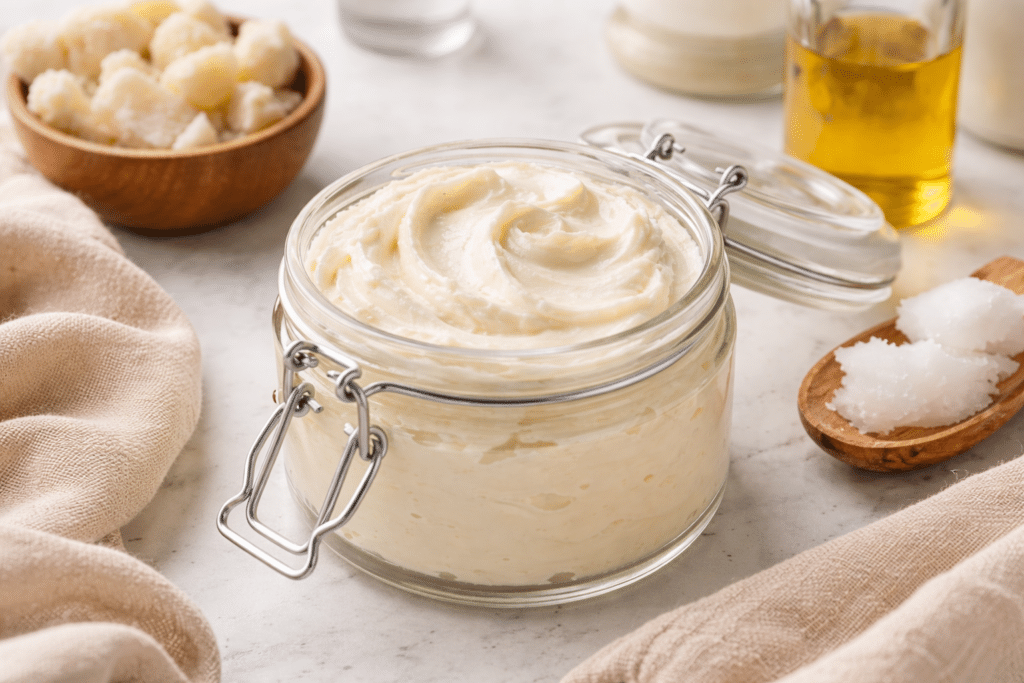
DIY body butter has become one of the most popular homemade skincare projects, loved for its rich texture, nourishing feel, and creative flexibility. Unlike lotions or creams, body butter is designed to feel more concentrated, making it a favourite choice for people who enjoy customising their skincare and exploring natural ingredients.
While many people are introduced to body butter through recipes, understanding how body butter works beyond step-by-step instructions can make a noticeable difference in how it feels and performs on the skin. Texture, ingredient balance, and usage habits all play a role in whether body butter feels lightweight, rich, or occasionally greasy.
This guide brings together our most helpful body butter resources in one place. Instead of focusing on recipes, these articles explore how body butter feels, how ingredients influence texture, and how people commonly use body butter as part of their skincare routines.
What Makes DIY Body Butter Different?
Body butter stands apart from other moisturisers because of its simple, water-free nature. Without water, body butter relies entirely on butters and oils to create a protective layer on the skin. This gives it a richer, longer-lasting feel compared to lotions or creams, which are designed to absorb quickly.
If you’re new to body butter or curious about its appeal, this introduction explains what body butter is and why it has become such a popular DIY skincare project:
Understanding this foundation makes it easier to choose body butter textures that suit your preferences and lifestyle.
Understanding Body Butter Texture & Skin Feel
One of the most common questions people have about homemade body butter is how it feels on the skin. Some body butters feel light and smooth, while others feel rich, heavy, or even greasy. These differences usually come down to texture rather than quality.
Texture is influenced by ingredient weight, balance, climate, and how the product is applied. Exploring these factors helps explain why body butter can feel very different from one jar to another.
This guide explores common texture concerns and explains how body butter is typically balanced to create a smoother, more comfortable skin feel.
Ingredients Used in DIY Body Butter Projects
DIY body butter can be made using a wide variety of natural ingredients, each contributing to the final texture and finish. Some ingredients create a richer, more protective feel, while others are chosen for their lighter, faster-absorbing qualities.
Understanding the role of different ingredients helps explain why some body butters feel heavier than others — even when they appear similar at first glance.
This ingredient-focused guide explores commonly used components in body butter projects without focusing on specific formulations or measurements.
Body Butter as a Creative DIY Project
For many people, body butter is more than just a moisturiser — it’s a creative outlet. From experimenting with textures to exploring seasonal skincare ideas, body butter offers flexibility that appeals to both beginners and experienced DIY enthusiasts.
Looking beyond recipes allows you to think about body butter as a personal project, shaped by texture preferences, scent choices, and intended use rather than strict instructions.
This perspective helps shift the focus from “getting it right” to enjoying the process and outcome.
How People Commonly Use Body Butter
Body butter is often used differently depending on the season, skin type, and personal routine. Some people prefer it as a night-time moisturiser, while others reserve it for dry areas like hands, feet, or elbows.
Because body butter is more concentrated than lotion, small amounts are usually enough. How and when it’s applied can significantly influence how it feels on the skin, especially in warmer weather or humid climates.
Understanding these usage patterns helps set realistic expectations and makes body butter easier to enjoy as part of a daily or occasional skincare routine.
Exploring Body Butter Without Recipes
DIY Beauty Corner continues to expand its body butter guides with a focus on education rather than repetition. By exploring texture, ingredients, and usage, these articles are designed to support existing recipe content while offering something new and valuable.
This hub will continue to grow as more body butter guides are added, making it easier to explore different aspects of DIY body butter without needing to follow step-by-step instructions.
Explore More DIY Skincare Guides
Body butter is just one part of the wider DIY skincare world. From ingredient guides to texture tips and creative DIY ideas, DIY Beauty Corner offers a growing collection of educational resources to help you explore homemade skincare with confidence.