

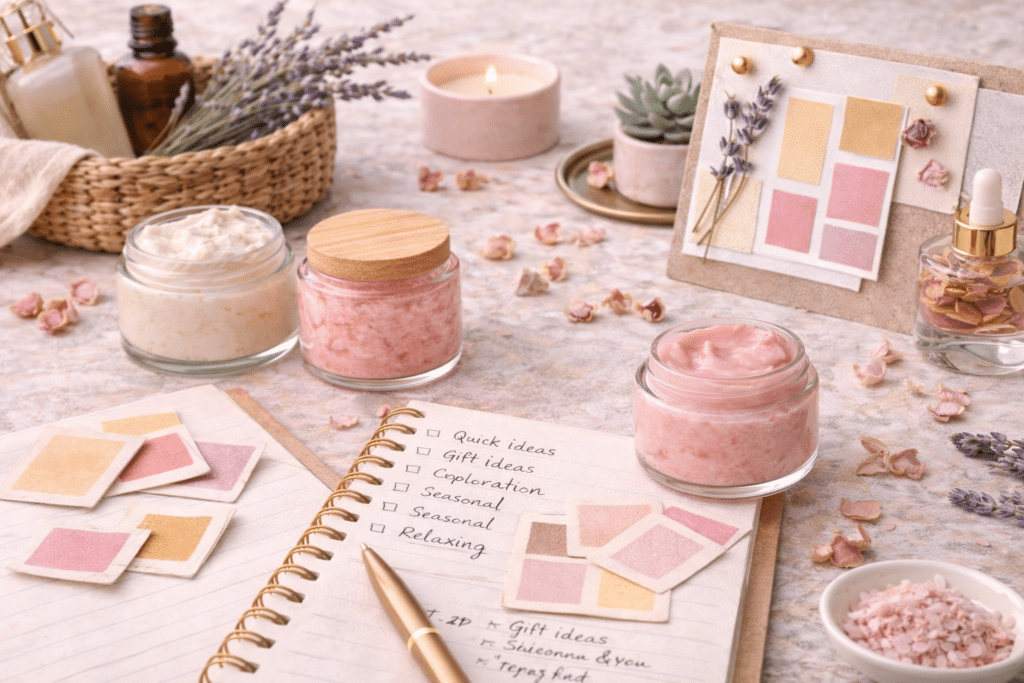
One of the most appealing aspects of DIY beauty is its flexibility. Unlike rigid routines or mass-produced products, DIY beauty projects can be shaped around personal time, space, and creative goals. This makes choosing the right projects less about trends and more about how they fit into everyday life.
Whether someone is new to DIY beauty or has been exploring small-batch projects for years, the decision-making process often evolves naturally. Understanding how lifestyle factors influence project selection helps DIY beauty remain enjoyable, sustainable, and creatively rewarding.
Why Lifestyle Fit Matters in DIY Beauty
DIY beauty works best when projects complement daily routines rather than compete with them. When a project aligns with available time, workspace, and creative energy, it feels less like a task and more like a relaxing or fulfilling activity.
This idea connects closely with the broader creative approach discussed in how DIY beauty fits into a creative lifestyle, where projects adapt to individual rhythms instead of following fixed formulas.
Time Availability: Choosing Projects That Match Your Schedule
One of the first considerations people make when choosing DIY beauty projects is time. Some projects fit easily into short creative sessions, while others invite slower, more immersive exploration.
For example, quick projects may appeal to those with limited time during the week, while longer or more detailed projects often suit weekends or dedicated creative blocks. Recognizing this helps prevent frustration and keeps DIY beauty enjoyable.
| Available Time | Typical Project Style | Creative Benefit |
|---|---|---|
| Short sessions | Simple, repeatable projects | Consistency and ease |
| Flexible blocks | Exploratory or experimental projects | Creative freedom |
| Seasonal focus | Planned batches | Organization and flow |
Many people find it helpful to plan projects ahead of time, especially when working around busy schedules. This approach is explored further in planning DIY beauty projects throughout the year.
Space and Setup: Letting Your Environment Guide Your Choices
Available space plays a surprisingly important role in project selection. Some people prefer compact projects that require minimal tools, while others enjoy setting up a dedicated creative area at home.
Projects that align with existing storage and workspace tend to feel more manageable. This is why many makers gravitate toward small-batch projects that can be completed, stored, and enjoyed without disrupting their living space.
Those who enjoy creating a consistent setup often build on ideas shared in how to create a simple DIY beauty workspace at home, allowing projects to flow more naturally from one session to the next.
Creative Goals: Personal Enjoyment, Gifting, or Exploration
Another key factor in choosing DIY beauty projects is creative intention. Some projects are chosen purely for personal enjoyment, while others are shaped by gifting ideas or a desire to experiment with new textures, colors, or scent combinations.
Understanding these goals helps narrow choices and keeps projects aligned with what feels most rewarding at the moment. For instance, gift-focused projects often emphasize presentation and consistency, while exploratory projects allow more freedom and variation.
This balance between creativity and intention reflects the mindset discussed in DIY beauty as a gift idea, where projects serve both creative expression and thoughtful sharing.
Seasonal Influence and Mood-Based Choices
Many people choose DIY beauty projects based on seasonal inspiration or personal mood. Lighter textures and fresh colors may feel appealing at certain times of the year, while richer or more comforting projects naturally suit others.
Rather than following strict seasonal rules, DIY beauty allows makers to respond intuitively. This flexibility keeps projects enjoyable and helps prevent creative burnout.
Letting Projects Evolve With Experience
As experience grows, many people notice a shift in how they choose projects. Early experimentation often gives way to more intentional selections that reflect personal preferences and creative confidence.
This evolution is a natural part of the creative journey and supports long-term engagement with DIY beauty. It aligns closely with ideas explored in how DIY beauty becomes a long-term creative hobby.
Conclusion: Choosing Projects That Support Creativity and Balance
Choosing DIY beauty projects that fit your lifestyle is less about following trends and more about understanding your own creative rhythm. By considering time, space, and personal goals, projects become easier to enjoy and more meaningful to complete.
When DIY beauty aligns with everyday life, it becomes a sustainable creative outlet—one that supports exploration, relaxation, and personal expression without unnecessary pressure.